Chicago, one neighborhood at a time
From Andersonville's Clark Street to Pullman's brick rowhouses, seven Chicago neighborhoods, what gives each its character, and where to learn more about the one you call home.
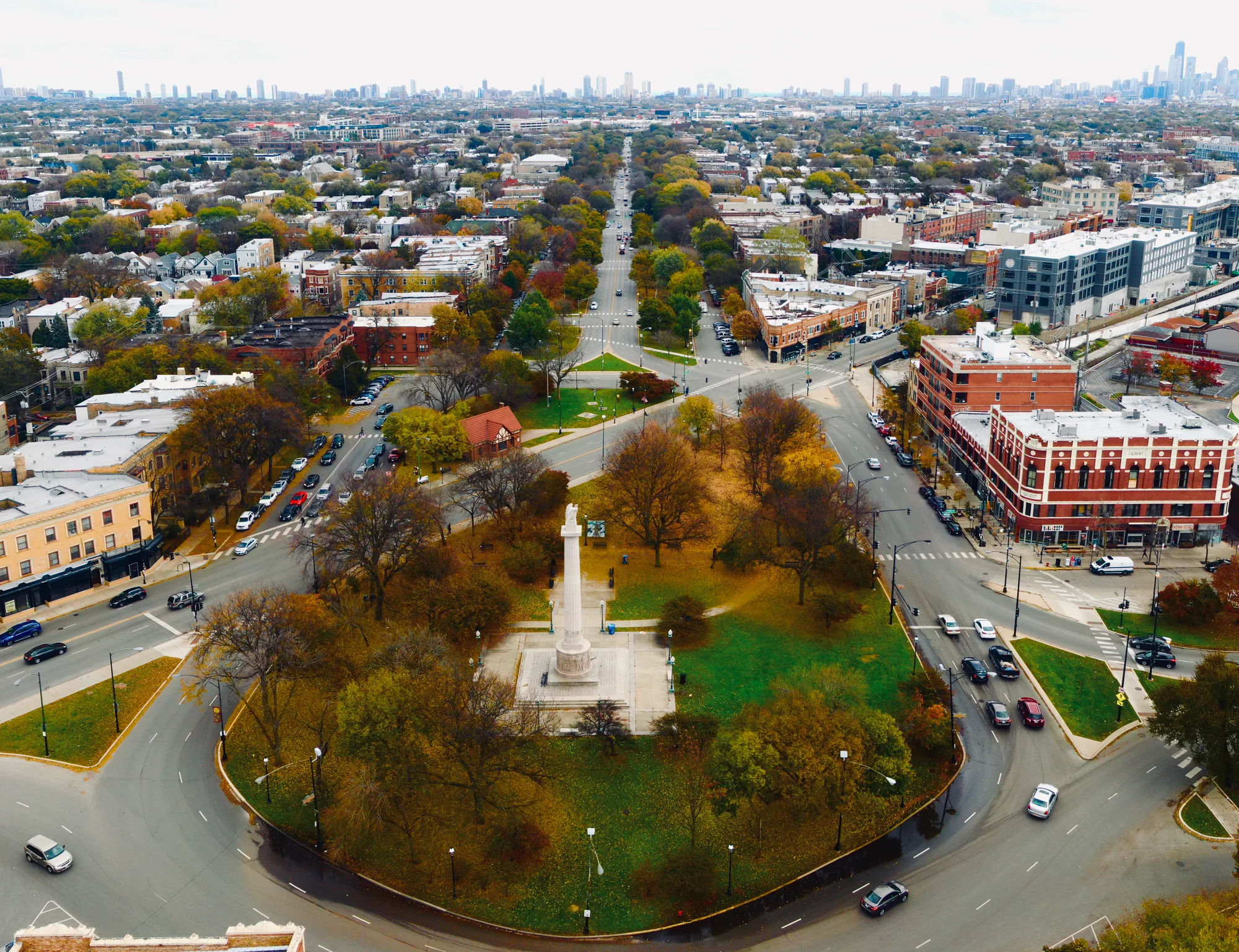
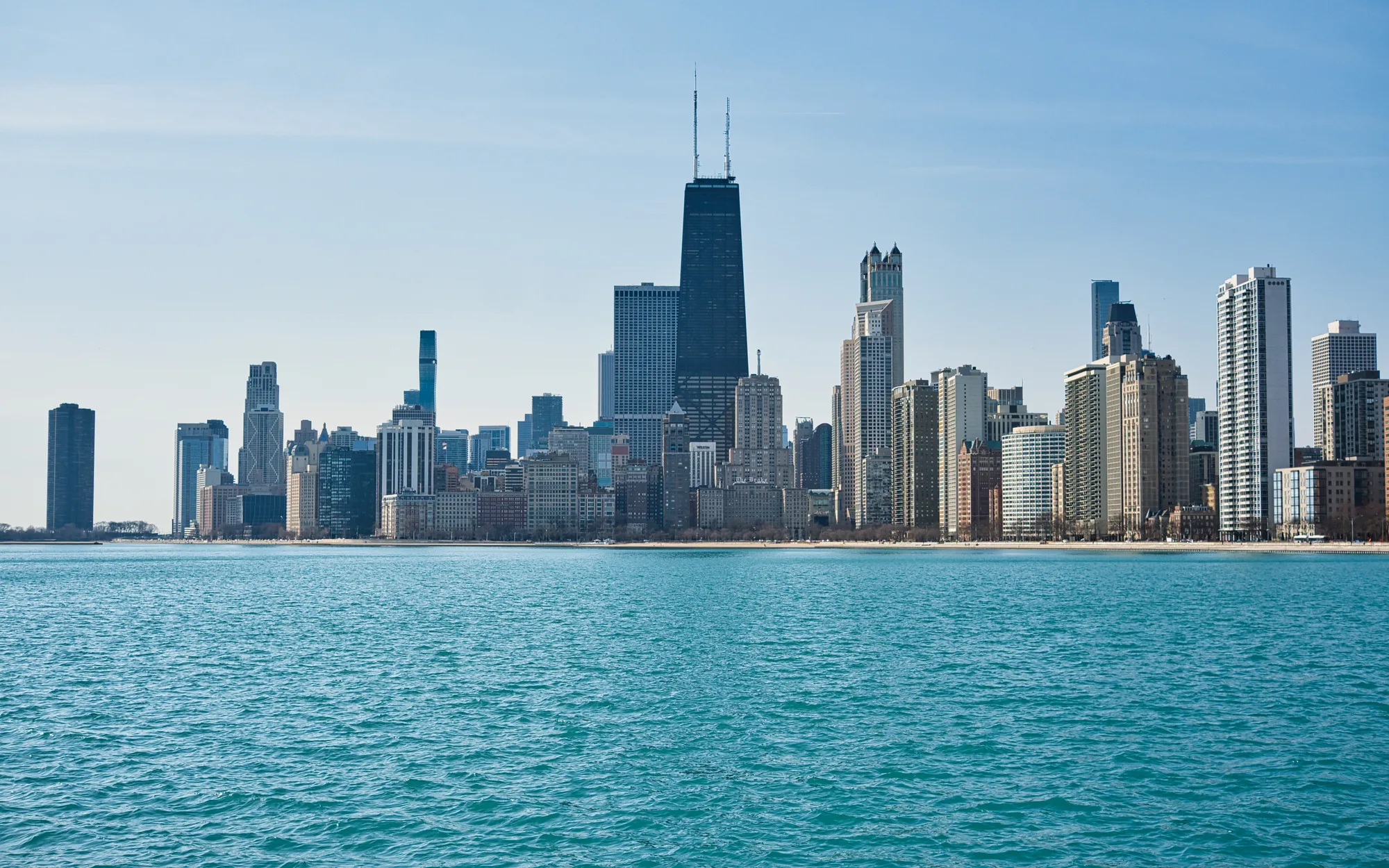
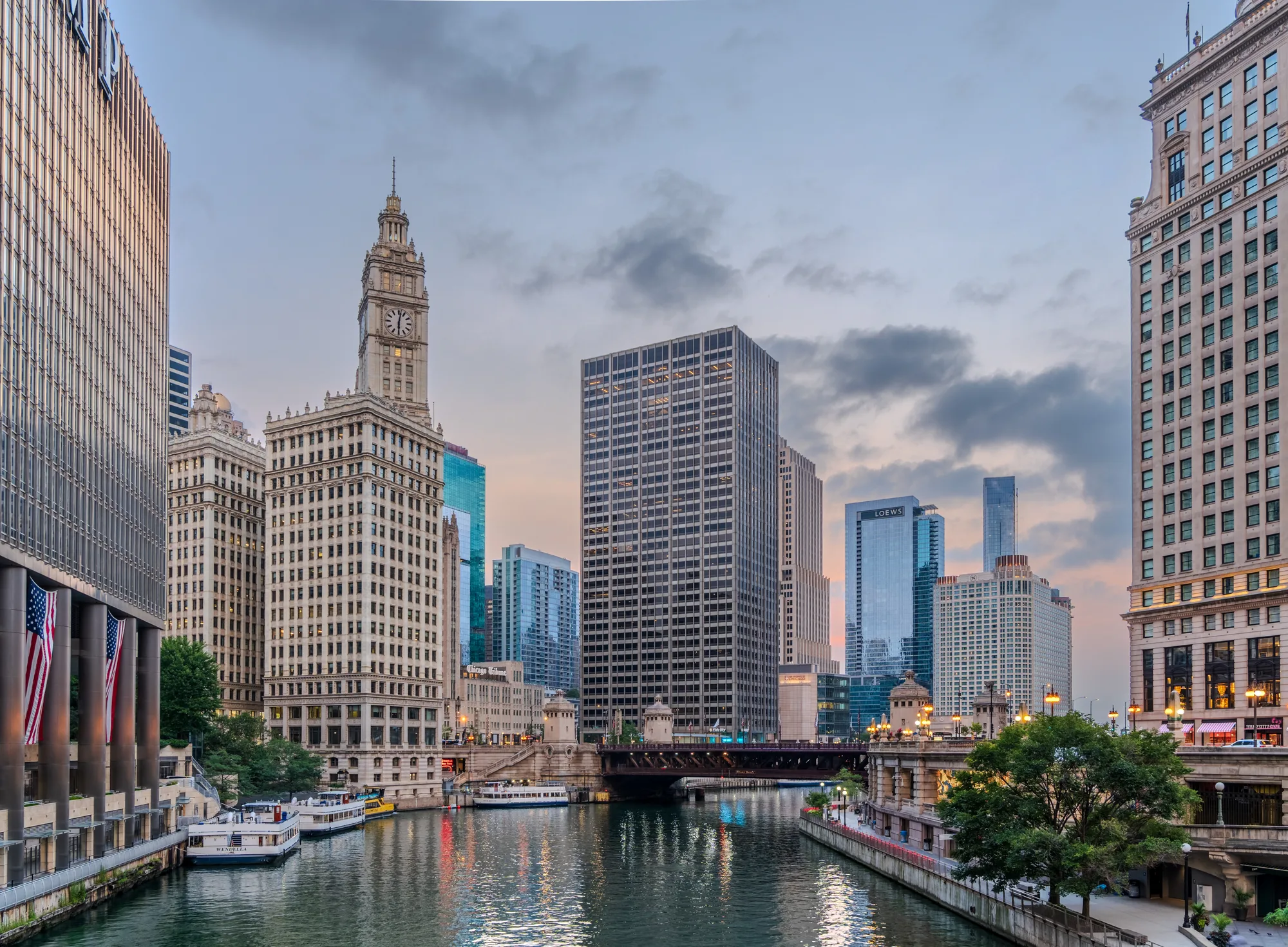
Ask a Chicagoan where they live and the answer is rarely a street address. It is Pilsen, or Andersonville, or Hyde Park, said with the confidence of someone naming a hometown. That habit is the best way into the city: Chicago is a collection of neighborhoods that happen to share a skyline.
How the city sorts itself
Choose Chicago, the city's visitor bureau, counts 77 distinct communities, and its neighborhood guides cover dozens of them by name. Residents use a looser shorthand too, sorting everything into the North Side, the South Side and the West Side around the downtown Loop. Within those sides, the neighborhood names on banners, chamber websites and festival posters are the ones people actually use.
Seven neighborhoods to know
Andersonville, on the North Side, grew up around Clark Street and still carries its Swedish roots. The Swedish American Museum at 5211 N. Clark St. has a children's museum of immigration and a café, and a few doors away Women & Children First, a feminist bookstore founded in 1979, fills its calendar with author readings and a weekly morning storytime. The Andersonville Chamber of Commerce calls the strip the Shop Local Capital of Chicago, and the long run of locally owned shops along Clark makes the case.
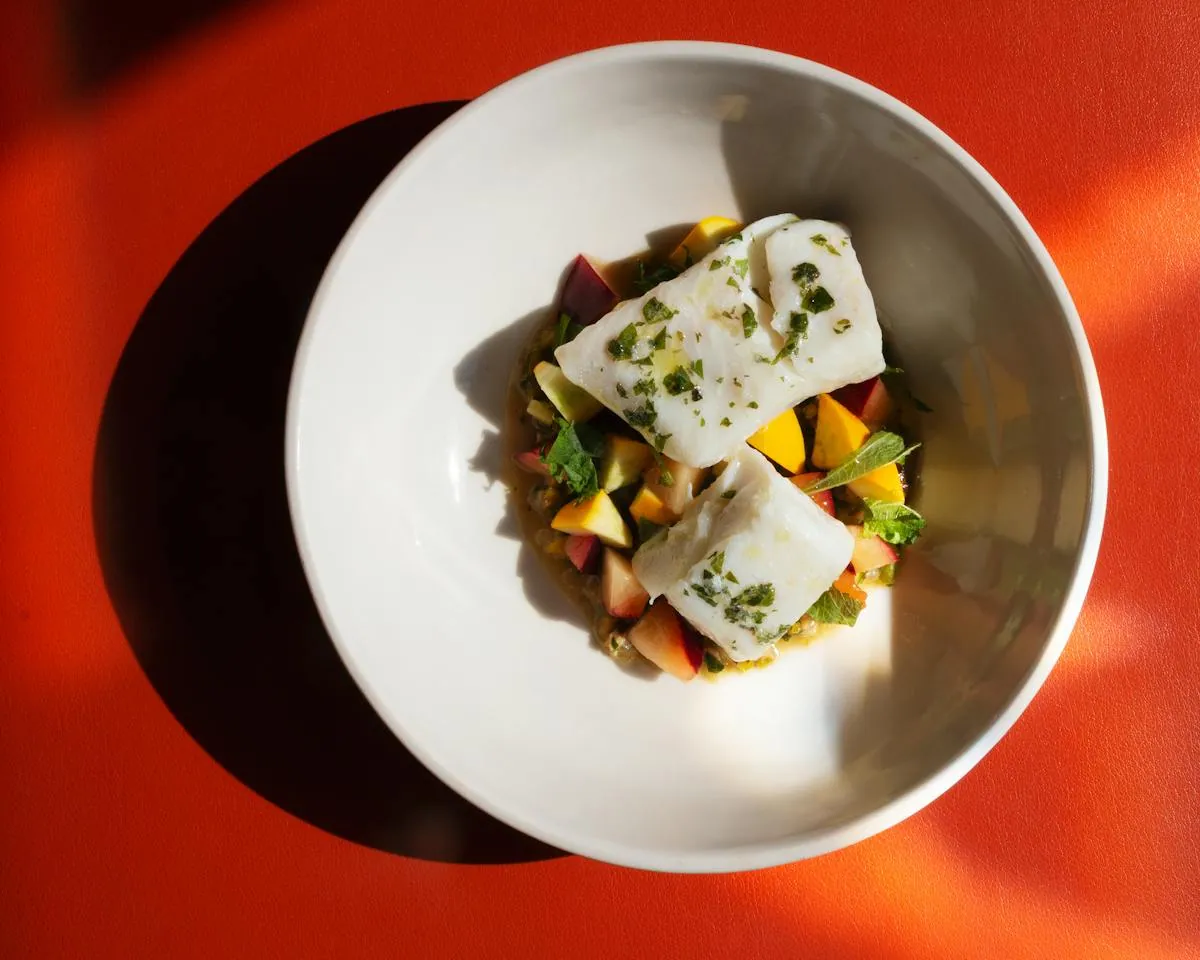
Logan Square, on the Northwest Side, is a neighborhood of wide boulevards, greystones and a dining scene that draws people from across the city. Lula Cafe, on Kedzie Boulevard, cooks inventive, market-driven food and has a brunch that regulars plan their weekends around.
Wicker Park sits where Milwaukee, North and Damen Avenues meet, and Choose Chicago pairs it with Bucktown for boutiques, street art and nightlife. Myopic Books on Milwaukee Avenue is a used bookstore that has become a neighborhood fixture, and it buys books as well as selling them.
Pilsen, on the Lower West Side, is known for its murals and its Mexican culture. The National Museum of Mexican Art on West 19th Street is free to visit, and this fall its exhibition Where Memory Lives marks 40 years of the museum's Día de Muertos shows.
Bronzeville, on the South Side, is remembered as the Black Metropolis, a center of African American business, music and culture. In 1998 the city designated the Black Metropolis District, protecting nine surviving buildings tied to that history. Every second Saturday in August the Bud Billiken Parade marches down King Drive in Bronzeville, and on summer Sundays the Bronzeville Farmers Market sets up at 4702 S. King Dr.
Hyde Park, along the lake on the South Side, mixes museums, parks and beaches with the University of Chicago campus. Medici on 57th has fed the neighborhood since 1962, with a bakery that starts on bread and pastries early each morning. A new addition this year is the city's first fully inclusive playground, on the Midway Plaisance, where the Chicago Park District and the Obama Foundation cut the ribbon in June 2026. Just west, at 740 E. 56th Pl., the DuSable Black History Museum and Education Center calls itself the nation's first independent Black history museum.
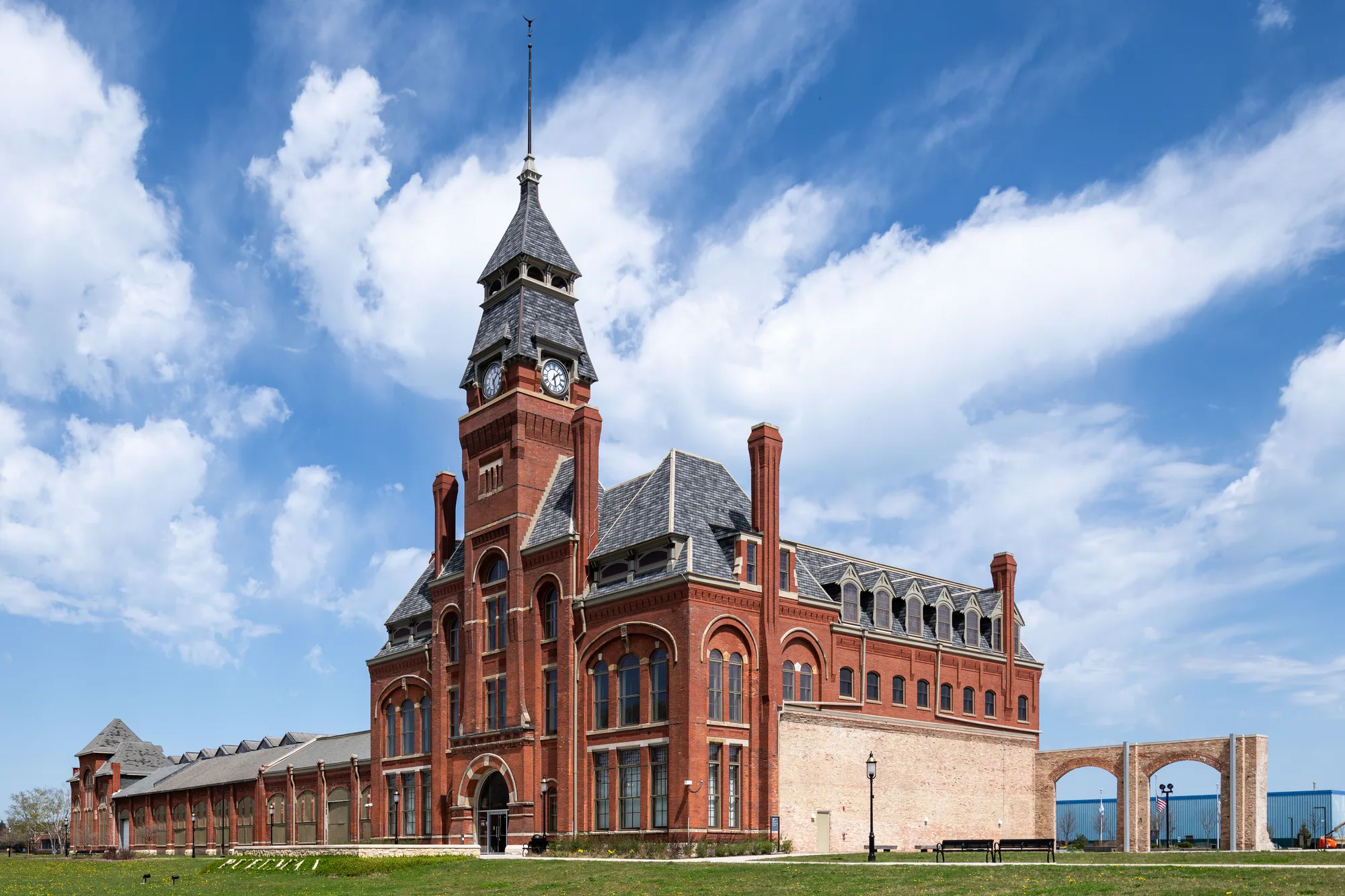
Pullman, on the far South Side, was built as a planned industrial town around George Pullman's sleeping-car works. Its Victorian rowhouses, the Hotel Florence and the clock tower on Lake Vista are now part of Pullman National Historical Park, first designated as a national monument in 2015 and the first National Park Service unit in Chicago. The visitor center is at 610 E. 111th St.
How historic districts came to be
Chicago's landmark protections date to 1968, when a city ordinance created the Commission on Chicago Landmarks, whose members are appointed by the mayor with City Council consent. The commission recommends single buildings and whole districts for designation, from small residential blocks to the Black Metropolis District. The city's Chicago Historic Resources Survey also catalogs more than 17,000 properties of historical significance, a useful place to look up the story of your own block.
Finding your neighborhood's story
Start with Choose Chicago's neighborhood pages for a quick sense of each area, then look for the local chamber of commerce or business association, which usually keeps the event calendar; the Andersonville Chamber, for one, publishes a yearly neighborhood guide. The Commission on Chicago Landmarks' website lists every designated landmark and district. For the deeper history, a local museum is often the best guide, whether that is the Swedish American Museum in Andersonville, the National Museum of Mexican Art in Pilsen or the DuSable on the South Side.
The neighborhoods in this guide are just a start. Pick one you have never visited, take the train or bus there on a Saturday, and let the walk teach you the rest.
Sources and further reading 20
- Choose Chicago: choosechicago.com/neighborhoods/checked November 9, 2026 · 77 distinct communities; neighborhood character for Andersonville, Logan Square, Wicker Park/Bucktown, Pilsen, Bronzeville (Black Metropolis), Hyde Park (museums, parks, beaches) and Pullman.
- Swedish American Museum: swedishamericanmuseum.orgchecked November 9, 2026 · 5211 N. Clark St.; Brunk Children's Museum of Immigration; Mormors Café.
- Women & Children First: womenandchildrenfirst.com/about-uschecked November 9, 2026 · Founded 1979 by Ann Christophersen and Linda Bubon; located in Andersonville.
- Women & Children First: womenandchildrenfirst.comchecked November 9, 2026 · Feminist bookselling; author events in November 2026; Weekly Morning Storytime.
- Andersonville Chamber of Commerce: andersonville.orgchecked November 9, 2026 · District of locally owned shops and restaurants; 'Shop Local Capital of Chicago'; 2026 Andersonville Neighborhood Guide.
- Lula Cafe: lulacafe.comchecked November 9, 2026 · 2537 N Kedzie Blvd; inventive, market-driven food; popular brunch.
- Myopic Books: myopicbookstore.comchecked November 9, 2026 · 1564 N Milwaukee Ave; buys books from the public.
- National Museum of Mexican Art: nationalmuseumofmexicanart.orgchecked November 9, 2026 · 1852 W 19th Street in Pilsen; always free; 'Where Memory Lives: 40 Years of Día de Muertos' now on view.
- City of Chicago, Chicago Landmarks: webapps1.chicago.gov/landmarksweb/web/districtdetails.htmchecked November 9, 2026 · Black Metropolis District designated September 9, 1998; nine remaining structures; later known as Bronzeville.
- Chicago Defender Charities: chicagodefendercharities.orgchecked November 9, 2026 · Bud Billiken Parade held every second Saturday in August.
- Bud Billiken Parade (Chicago Defender Charities): budbillikenparade.orgchecked November 9, 2026 · Parade marches down King Drive; held in the heart of Bronzeville.
- WBEZ Chicago: wbez.org/food-drink/2026/05/20/here-are-12-farmers-markets-in-chicago-and-the-suburbs-worth-a-visitPublished May 20, 2026 · checked November 9, 2026 · Bronzeville Farmers Market, 4702 S. Martin Luther King Dr., Sundays June to September 2026.
- Medici on 57th: medici57.com/our-storychecked November 9, 2026 · 1327 E 57th St; Hans Morsbach acquired the Medici coffeehouse in 1962; bakery bread and pastries starting daily at 7am (home page).
- Chicago Park District: chicagoparkdistrict.com/about-us/news/chicago-park-district-and-obama-foundation-cut-ribbon-citys-first-fully-inclusivePublished June 8, 2026 · checked November 9, 2026 · Ribbon cutting on the city's first fully inclusive playground at Midway Plaisance Park, June 8, 2026.
- DuSable Black History Museum and Education Center: dusablemuseum.orgchecked November 9, 2026 · 740 East 56th Place; 'the nation's first independent Black history museum'.
- National Park Service: nps.gov/pull/learn/historyculture/index.htmchecked November 9, 2026 · Pullman as a planned industrial community around George Pullman's sleeping-car works; designated a national monument February 19, 2015; first NPS unit in Chicago; Hotel Florence.
- National Park Service: nps.gov/pull/index.htmPublished September 18, 2026 · checked November 9, 2026 · Now Pullman National Historical Park; visitor center at 610 E. 111th Street; Victorian homes, Hotel Florence, clock tower on Lake Vista.
- City of Chicago, Department of Planning and Development: chicago.gov/city/en/depts/dcd/supp_info/landmarks_commission.htmlchecked November 9, 2026 · Commission on Chicago Landmarks established in 1968; members appointed by the mayor with City Council consent (page blocks automated readers; the reviewer opened it in a browser and a search excerpt of the page confirms the wording).
- City of Chicago, Chicago Landmarks: webapps1.chicago.gov/landmarksweb/web/generalinformation.htmchecked November 9, 2026 · Commission established in 1968 by city ordinance; recommends buildings, sites and districts for landmark designation.
- City of Chicago, Commission on Chicago Landmarks: webapps1.chicago.gov/landmarksweb/web/home.htmchecked November 9, 2026 · City landmarks website listing landmarks and districts; Chicago Historic Resources Survey of 17,000+ properties of historical significance.