Fort Wayne, one neighborhood at a time
From canal-era West Central to the Wells Street Corridor, Lakeside and Waynedale: how Fort Wayne's hundreds of neighborhoods fit together, and the places that anchor each one.
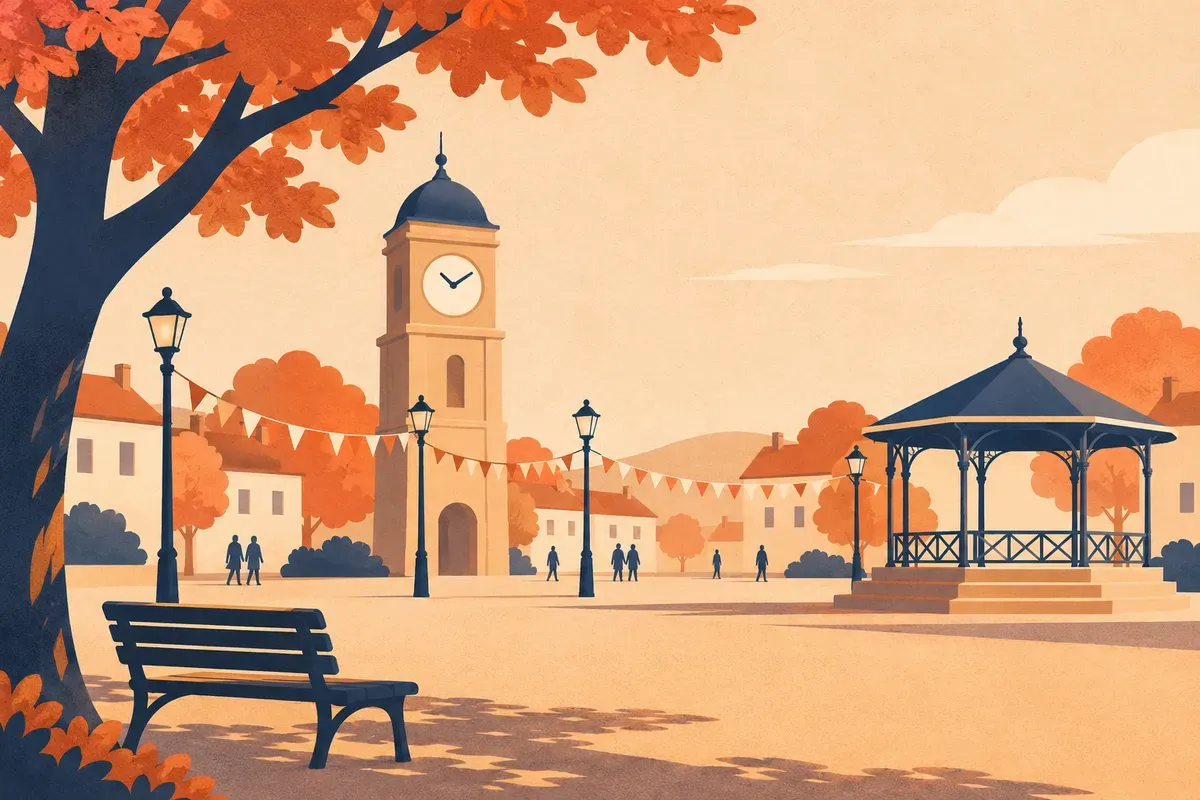
Ask someone in Fort Wayne where they live and you may hear a neighborhood name, a quadrant or simply a ZIP code. All three are right. The city counts more than 400 neighborhoods, many of them the result of a century of development and annexation, and its planners group them into four quadrants, Northeast, Northwest, Southeast and Southwest, for planning purposes. Visit Fort Wayne sorts the city a little differently, into districts such as Downtown, West Central, Historic Northeast, Packard, Northwest, Southeast and Waynedale. Here is a walk through several of them.
Downtown and the riverfront
Downtown is where the St. Marys, St. Joseph and Maumee rivers meet, and lately it is where much of the city's energy has gone. Promenade Park, opened in 2019, put a treetop canopy trail, a kids' canal and kayak rentals along the St. Marys. Headwaters Park hosts the summer festivals, Parkview Field fills on TinCaps nights, and the Embassy Theatre brings in touring shows.
The Hoppy Gnome, on East Berry Street, is a downtown regular for lunch, weekend brunch and a drink after work, with beer, cocktails and a long bourbon list. A few blocks south on Harrison Street, Tolon serves a farm-to-table dinner menu built on Indiana growers, from Hoffman Organics in Huntertown to Gunthorp Farms in LaGrange.
West Central and the historic districts
Just west of downtown, West Central is one of the city's oldest neighborhoods. It grew up during the canal era of the 1830s, first as a place where working families could walk to their jobs, then as a home for the industrialists and retailers who built grand houses along Berry, Wayne and Washington streets. On the south side, between Jefferson Boulevard and the railroad, narrow brick streets are lined with workers' cottages. Part of the neighborhood was designated a national and a local historic district in the mid-1980s. Swinney Park sits at its western edge, with the Swinney family home still standing.
West Central is not alone. Many of Fort Wayne's historic districts trace back to a burst of planned neighborhoods in the early 1900s, several tied to George Kessler's 1912 park plan. Williams-Woodland Park was sold off lot by lot in a lottery by developer Louis Curdes, declined in the 1950s and 1960s, and was brought back by residents starting in the 1970s. Shawnee Place was built almost entirely by 1916. Indian Village was laid out from 1925 and kept growing through the Depression, and Harrison Hill, developed from 1915, joined the National Register in 2021.
Wells Street and the Northwest
Cross the river north of downtown on the restored Wells Street Bridge and you reach the Wells Street Corridor. The street follows an old route north toward Chicago: in 1803 the secretary of war, Henry Dearborn, had Captain William Wells mark a path from Fort Wayne to the new Fort Dearborn, and it became the Dearborn Trail and later Wells Street. It was once the city's second-oldest shopping district, slipped into hard times, and has been revived over the past two decades by its businesses and the Bloomingdale Neighborhood Association. Murals and small shops line the street now.
Hyde Brothers Booksellers, on Wells Street, is the corridor's best-known stop: two floors and more than 150,000 titles, with a fondness for odd and obscure subjects and shop cats to say hello to. Plan to stay longer than you meant to.
Historic Northeast, Packard and the south side
Northeast of downtown, the Historic Northeast is a walkable district of tree-lined streets and some of the city's legacy parks. Lakeside Park and its rose garden, with fountains and pergola-lined paths, is the neighborhood's front lawn, and Johnny Appleseed Park, near the Coliseum, holds his grave. The Columbia Avenue, Forest Park Boulevard, Kensington Boulevard and Lakeside historic districts all have walking guides. Nearby, Conjure Coffee roasts on Columbia Avenue, at its café and roastery called Confluence.
South of downtown, the Packard area takes in historic districts such as Foster Park, Oakdale, Southwood Park and Lafayette Place, along with the Broadway corridor. Its anchor is Electric Works, the former General Electric campus, where Union Street Market gathers independent food merchants under one roof and the Summit City Farmers Market sets up on Saturdays.
Farther south, Waynedale keeps a small-town feel and a strong sense of local pride. The Clyde Theatre on Bluffton Road brings rock, country, jazz, tribute acts and comedy to the south side. On the southeast side, home to some of the city's most culturally diverse neighborhoods, McKinnie Commons offers a bandshell and big swings, and the 4.5-mile Hanna Street Trail, finished in May 2026 after residents began planning it in 2013, now links the area to the Rivergreenway.
Finding your neighborhood's people
The city keeps a registration list of neighborhood associations, more than 400 of them by its own count, and its neighborhood planners help new and returning associations get organized, write plans and apply for grants. Many associations keep their own sites; the West Central Neighborhood Association, for one, publishes its preservation history and walking tour. Visit Fort Wayne's neighborhood pages link to self-guided walking-tour pamphlets for the historic districts. Print one, pick a district you have only driven through, and give it an afternoon on foot.
Sources and further reading 24
- City of Fort Wayne: engage.cityoffortwayne.org/fortwayneneighborhoodschecked November 9, 2026 · The city's neighborhoods page: 'over 400 neighborhoods' and '400+ neighborhood associations', with a neighborhood registration list updated as of July 1, 2026.
- Input Fort Wayne: inputfortwayne.comPublished December 14, 2022 · checked November 9, 2026 · Background (December 2022): many neighborhoods result from development and annexation; four planning quadrants; residents identify by ZIP code; neighborhood planners help associations with plans, workshops and grants. Its 454/170 counts are no longer used.
- Visit Fort Wayne: visitfortwayne.com/neighborhoods/checked November 9, 2026 · District list (Downtown, West Central, Historic Northeast, Packard, Northwest, Southeast, Waynedale and others) and short descriptions.
- Visit Fort Wayne: visitfortwayne.com/neighborhoods/downtown/checked November 9, 2026 · Promenade Park's canopy trail, kids' canal and kayak rentals; Headwaters Park festivals; TinCaps at Parkview Field; Embassy Theatre touring shows.
- Visit Fort Wayne: visitfortwayne.com/articles/post/fort-wayne-returns-to-its-historical-riverfront-with-promenade-park/checked November 9, 2026 · Promenade Park opened in 2019.
- The Hoppy Gnome: hoppygnome.comchecked November 9, 2026 · 203 East Berry St.; lunch from 11am, weekend brunch, beer, cocktails and bourbon.
- Tolon: tolonrestaurant.com/our-purveyorschecked November 9, 2026 · Farm-to-table restaurant at 614 S Harrison Street; purveyors include Hoffman Organics (Huntertown) and Gunthorp Farms (LaGrange).
- West Central Neighborhood Association: westcentralneighborhood.org/preservation.htmlchecked November 9, 2026 · West Central's canal-era origins in the 1830s, homes of industrialists and retailers on Berry, Wayne and Washington streets, workers' cottages between Jefferson Boulevard and the railroad, narrow brick streets, national and local historic district designation in the mid-1980s, walking tour.
- Visit Fort Wayne: visitfortwayne.com/neighborhoods/west-central/checked November 9, 2026 · West Central as one of the oldest neighborhoods; Swinney Park and the Swinney home; self-guided homes walking tour.
- Visit Fort Wayne: visitfortwayne.com/blog/stories/post/historical-neighborhoods-of-fort-wayne/Published April 1, 2025 · checked November 9, 2026 · Williams-Woodland Park lottery by Louis Curdes, decline in the 1950s-60s and rehabilitation from the 1970s; Shawnee Place mostly built by 1916; Indian Village from 1925 through the Depression and the 1912 plan; Forest Park Boulevard tied to George Kessler's 1912 park plan; Harrison Hill developed from 1915 and listed on the National Register in 2021.
- Input Fort Wayne: inputfortwayne.comPublished August 29, 2018 · checked November 9, 2026 · Wells Street Corridor north of the riverfront was once the city's second-oldest shopping district, declined and was revived over 15 to 20 years by businesses and the Bloomingdale Neighborhood Association.
- Fort Wayne Parks & Recreation: fortwayneparks.org/images/PDF/Administration/Park_Board_Monthly_Park_Highlights_2023-05_3_Compatibility_Mode.pdfPublished May 1, 2023 · checked November 9, 2026 · Park Board Monthly Park Highlights, May 2023: in 1803 Henry Dearborn instructed Captain William Wells to mark a track from Fort Wayne north to Chicago (Fort Dearborn); it became the Dearborn Trail and later Wells Street. (The PDF now redirects to the city's site, which blocks fetches; text confirmed by the reviewer and a search extract.)
- City of Fort Wayne: cityoffortwayne.in.gov/307/Corridors-Gatewayschecked November 9, 2026 · Wells Street named for William Wells (seen via search summary; the page itself returned 403). Corroborates the Parks Department document.
- Visit Fort Wayne: visitfortwayne.com/neighborhoods/northwest/checked November 9, 2026 · Wells Street Corridor's shops, Hyde Brothers Books, murals.
- Hyde Brothers, Booksellers: hydebros.comchecked November 9, 2026 · Hyde Brothers Booksellers, 1428 Wells St.; two floors, over 150,000 titles, 'a fondness for the odd and obscure'; shop cats.
- Visit Fort Wayne: visitfortwayne.com/neighborhoods/historic-northeast/checked November 9, 2026 · Historic Northeast's walkable tree-lined streets and legacy parks; Lakeside Park and Rose Garden with fountains and pergola-lined paths; Johnny Appleseed Park; Columbia Avenue, Forest Park Boulevard, Kensington Boulevard and Lakeside historic districts with walking guides.
- Conjure Coffee: conjurecoffee.shop/pages/cafechecked November 9, 2026 · Conjure Coffee ~ Confluence, café and roastery at 701 Columbia Ave.
- Visit Fort Wayne: visitfortwayne.com/neighborhoods/packard/checked November 9, 2026 · Packard district south of downtown; Foster Park, Oakdale, Southwood Park, Lafayette Place and other historic districts; Broadway corridor; Electric Works and Union Street Market.
- Union Street Market: unionstreetmarket.org/eventschecked November 9, 2026 · Union Street Market's local merchants at Electric Works; Summit City Farmers Market on Saturdays at Dynamo Alley.
- Construction Dive: constructiondive.com/news/286m-renovation-brings-new-life-to-century-old-general-electric-plant-in-i/609372Published November 15, 2021 · checked November 9, 2026 · Electric Works is the redevelopment of the former General Electric campus.
- Visit Fort Wayne: visitfortwayne.com/neighborhoods/waynedale/checked November 9, 2026 · Waynedale's small-town feel and local pride; the Clyde Theatre.
- The Clyde Theatre: clydetheatre.comchecked November 9, 2026 · 1808 Bluffton Road; live music and entertainment venue hosting rock, country, blues, jazz, tribute acts and comedy.
- Visit Fort Wayne: visitfortwayne.com/neighborhoods/southeast/checked November 9, 2026 · Southeast as home to the most culturally diverse neighborhoods; McKinnie Commons with a bandshell and large swings.
- WPTA 21Alive: 21alivenews.com/2026/05/28/city-fort-wayne-celebrates-completion-hanna-street-trail-with-ribbon-cutting-ceremony/Published May 28, 2026 · checked November 9, 2026 · 4.5-mile Hanna Street Trail completed May 2026; planning began in 2013 with southeast residents; links to the Rivergreenway.