Every October, Phoenix tells its ghost stories again. Some begin with a real loss, some with an eccentric builder, and one with a sack of gold that has never been traced. Here are four of the city's best, and the history behind each.
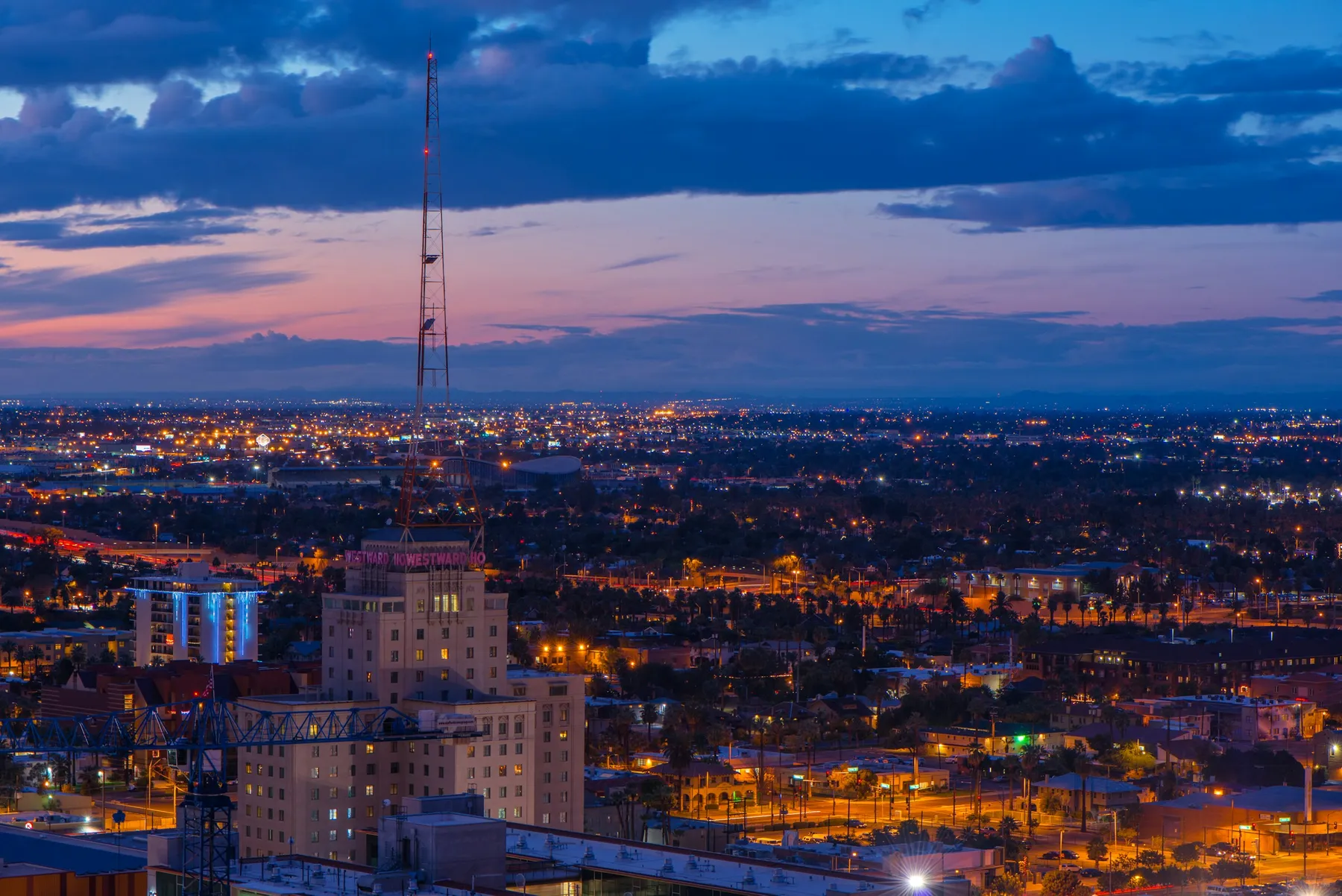
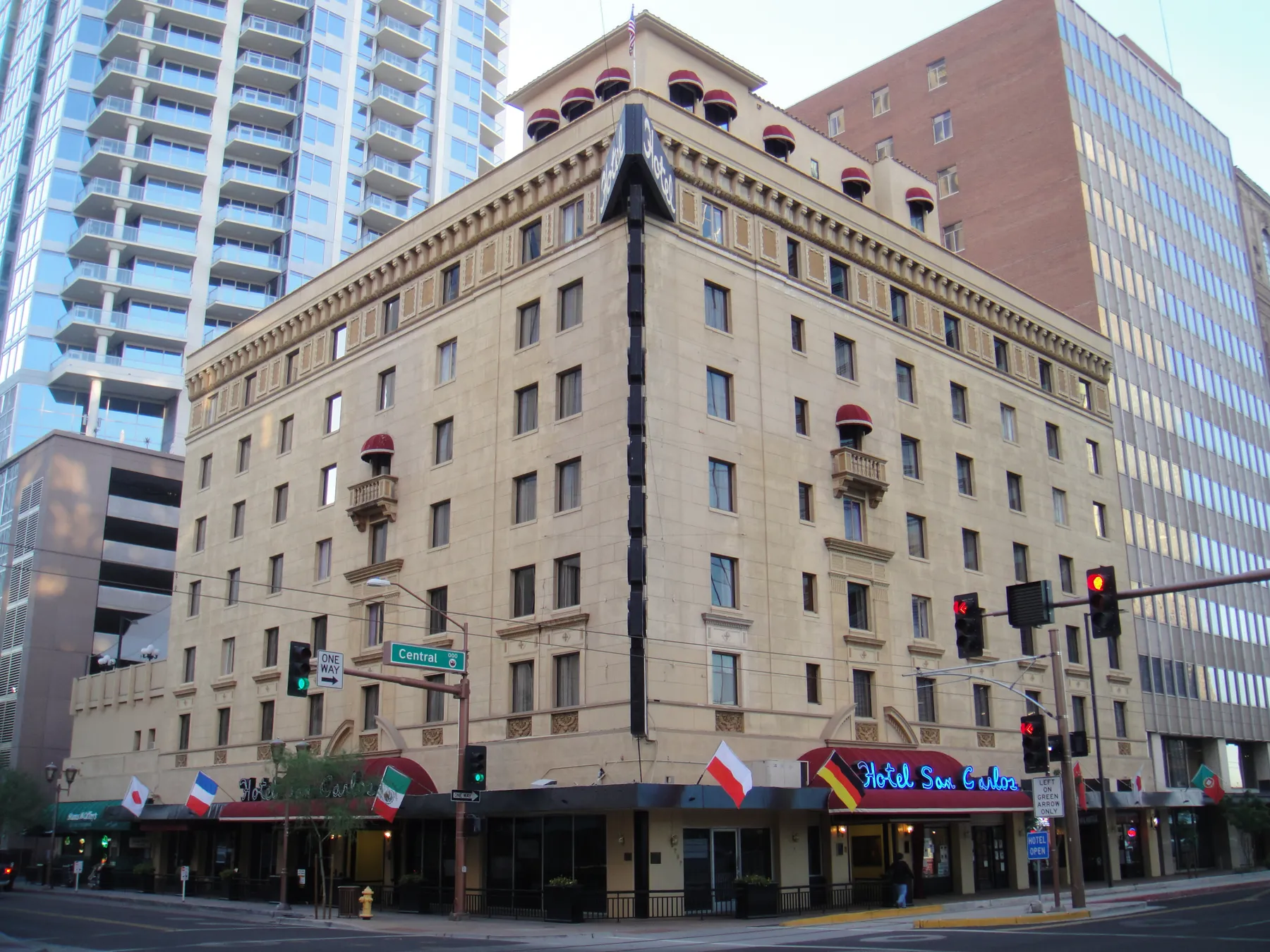
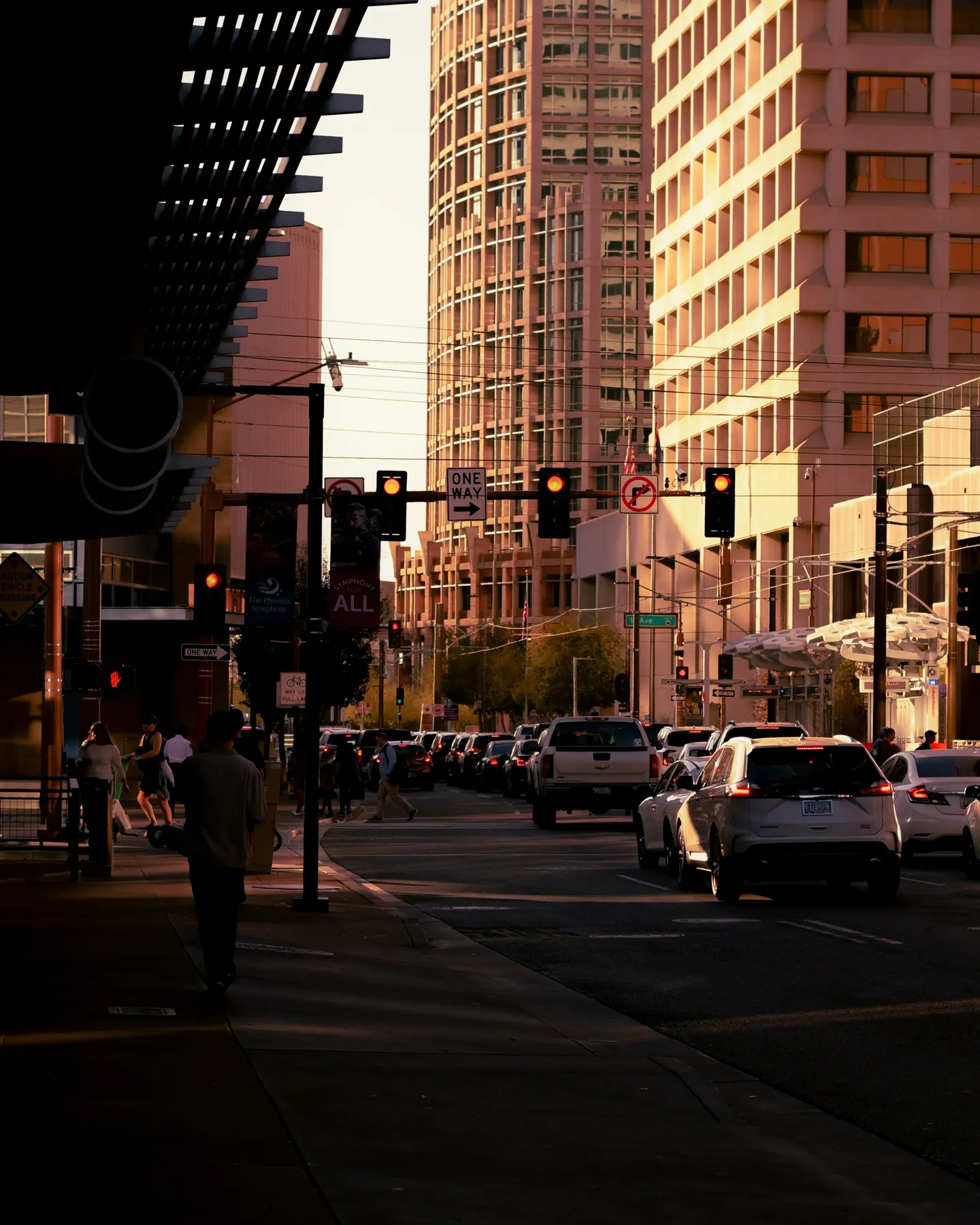
The best known begins downtown. When the Hotel San Carlos opened at Central Avenue and Monroe Street in 1928, it was the city's first high-rise hotel with air-conditioning, built in just 10 months. Hollywood came to stay. Mae West, Clark Gable and Marilyn Monroe are remembered with terrazzo stars on the sidewalk outside.
In May 1928, seven weeks after the opening, a 22-year-old guest named Leone Jensen died at the hotel. The Arizona Republic reported her death, and her story has been retold ever since. Guests describe a young woman in white who appears at the foot of the bed, says nothing and walks toward the door. Others report children's voices in the halls at night, tied to a legend about an old well beneath the building. The hotel's owners are now planning an $80 million restoration.
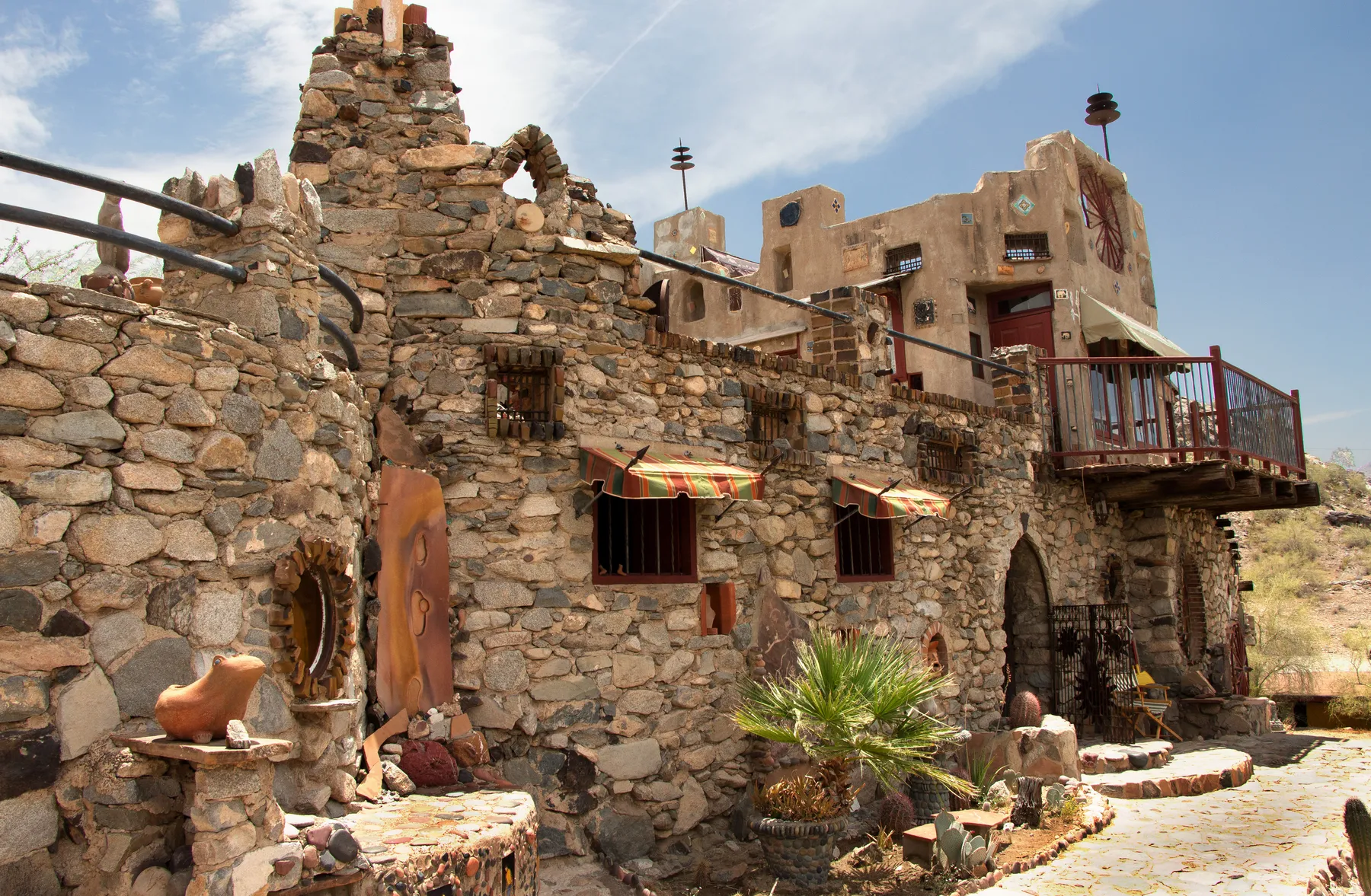
South of downtown, below South Mountain, Mystery Castle tells a different kind of story. Boyce Luther Gulley left Seattle for Arizona after a tuberculosis diagnosis and spent the 1930s building a castle for his daughter, Mary Lou, out of whatever he could find: stone, adobe, rail track from a mine, telephone poles and car parts. It grew to 18 rooms and 13 fireplaces. When Gulley died in 1945, his wife and daughter learned from a lawyer that they had inherited it.
Mary Lou began giving tours in 1948, the year Life magazine photographed her on the castle's staircase, and she led them for decades. She died in 2010. The castle closed to visitors in 2022 after vandalism, and its owner later asked the city for permission to tear it down. This spring it was sold to the Harrell Family of Companies, which has promised to preserve it as an event venue. For now it waits behind its gate.
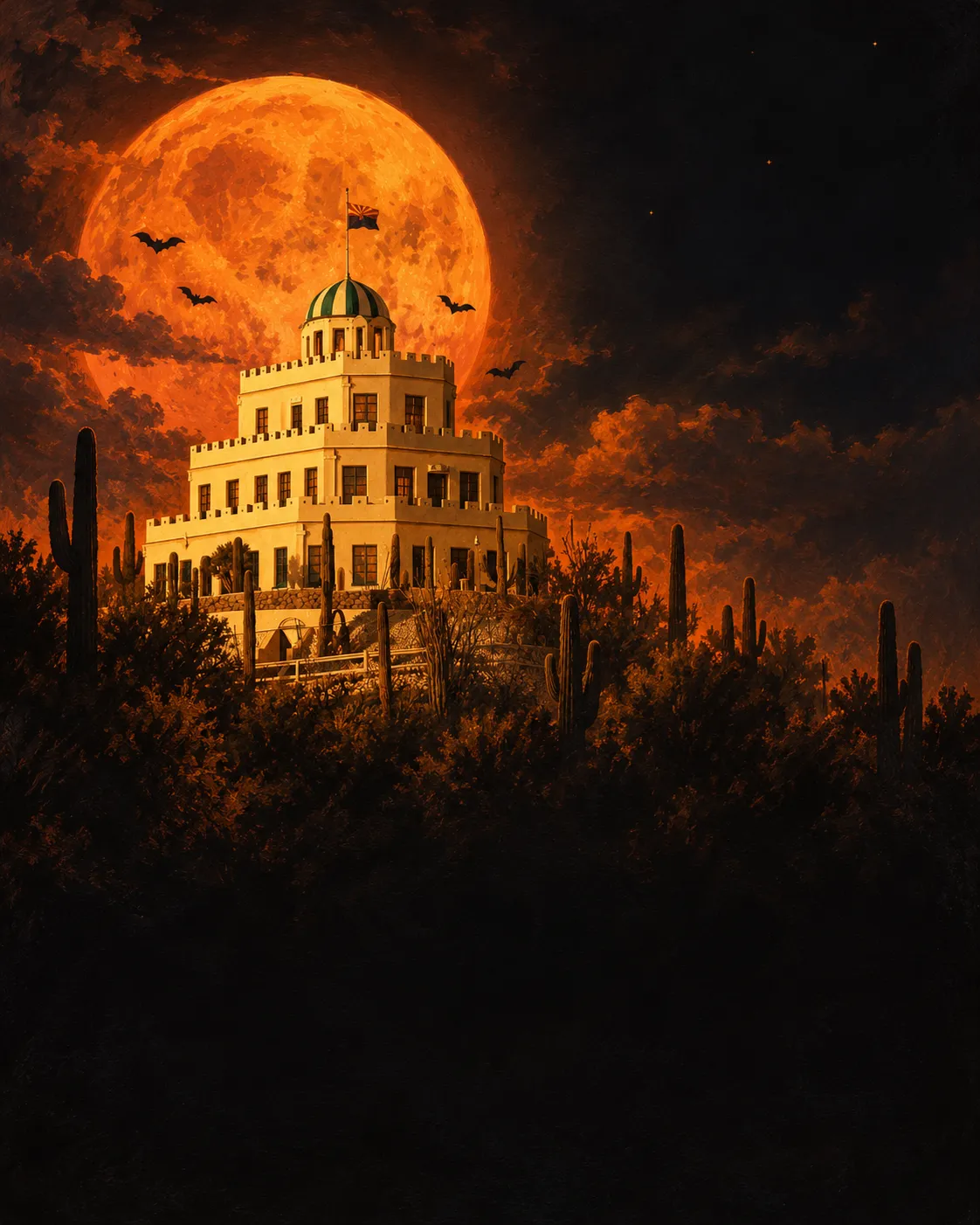
On the other side of town, Tovrea Castle rises from its hill like a wedding cake. Italian immigrant Alessio Carraro built it between 1928 and 1930 as the centerpiece of a desert resort and housing development. Then meatpacker Edward Tovrea bought land next door and put in sheep pens, and the smell ended Carraro's plans. He sold in 1931 to a buyer who turned out to be Della Tovrea, Edward's wife. She lived there until her death in 1969. No ghost is required; the story is strange enough. Volunteers now lead tours of the castle and its cactus gardens.
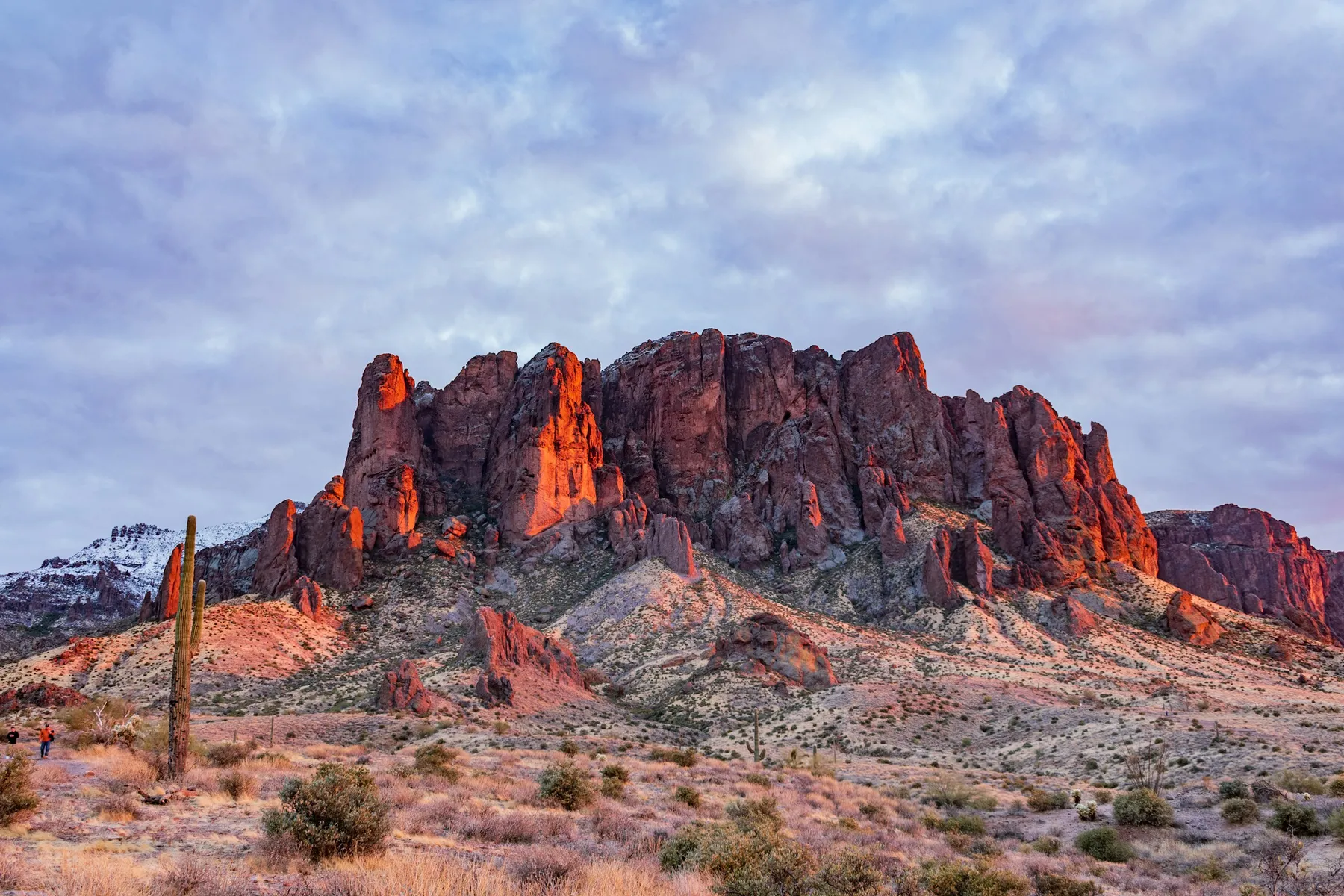
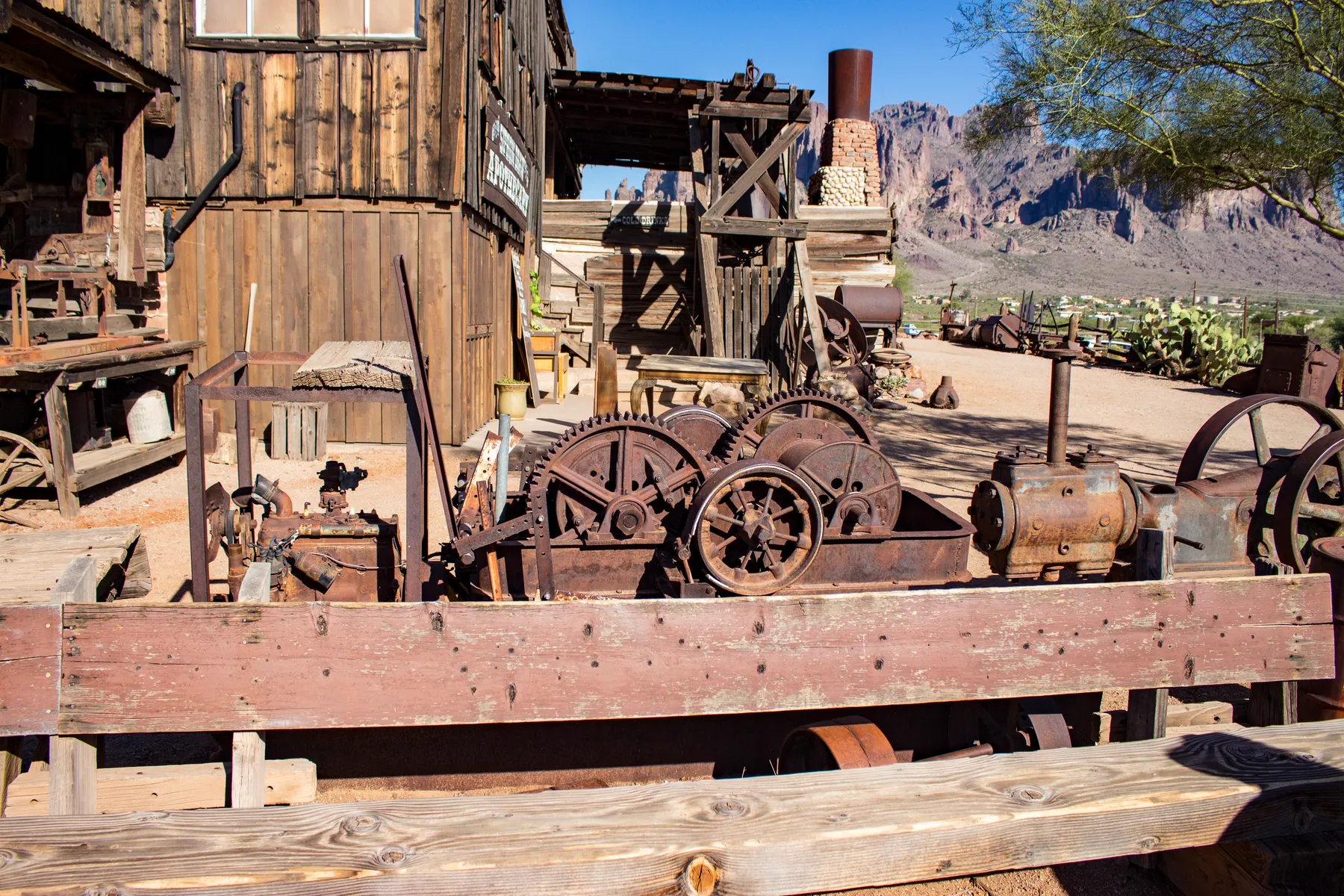
And then there is the gold. In the 1870s, a German immigrant named Jacob Waltz began turning up in Phoenix with gold he said came from the Superstition Mountains, east of the city. He never said exactly where. Waltz was German, not Dutch, but the name stuck. He died in Phoenix on October 25, 1891, and is buried downtown in the Pioneer and Military Memorial Park.
Some versions of the story add a Mexican mining family, the Peraltas, who are said to have worked the mine before him. None of it has been proved, and searchers have died in those mountains, which are rugged and dangerous in the heat. The safest way to see the Superstitions is from Lost Dutchman State Park in Apache Junction, where trails climb toward the cliffs that started the legend.
We can't tell you any of these places is haunted. We can tell you why people think so: real lives, strange buildings, a fortune never found, and a city that likes a good story once the nights turn cool.
If you or someone you know is struggling, call or text 988 to reach the Suicide & Crisis Lifeline, any time of day.